What to do when access blocks waste removal in Kingston
Posted on 10/06/2026

If you have ever booked a rubbish collection only to discover a narrow alley, locked gate, blocked driveway, or awkward staircase is standing in the way, you will know the feeling. The job looks straightforward on paper, then suddenly it is not. What to do when access blocks waste removal in Kingston becomes a real question when the van cannot get close enough, the load is too bulky to carry safely, or the route from the property to the vehicle is simply not workable.
That does not mean the clearance is stuck. Far from it. With the right planning, a little local know-how, and a clear conversation upfront, most access problems can be managed without drama. In this guide, we will walk through what access issues actually mean, how they affect waste removal in Kingston, and the most practical ways to get the job done properly. You will also find a checklist, a comparison table, and a few realistic examples from everyday local situations.
Why What to do when access blocks waste removal in Kingston Matters
Access is one of those details people tend to think about too late. Yet it can decide whether a waste removal goes smoothly, takes twice as long, or needs to be reworked completely. In Kingston, that matters because properties vary so much. You have compact terraces, flats above shops, riverside buildings, mews-style lanes, busy parking zones, and homes with tight rear access. One-size-fits-all clearing rarely works.
When access is difficult, the risks are pretty plain:
- longer loading times
- extra labour or multiple trips
- damage to walls, flooring, stairwells, or communal areas
- missed collection windows
- unexpected costs if the team cannot complete the job as planned
That is why a good waste removal plan starts before anyone lifts a bag. A clear picture of the route, the vehicle position, parking options, and any restricted entry points saves time and stress. It also helps you choose the right service. For example, a small flat clearance may suit a different setup than a full house clearance or builders waste clearance in Kingston.
Access issues also matter from a trust point of view. If a clearance team knows the access constraints in advance, they can give a more realistic quote and set honest expectations. That is better for everyone. No surprises, no awkward conversations halfway through the job. Just a clear plan.
How What to do when access blocks waste removal in Kingston Works
Once access becomes an issue, waste removal usually shifts from a simple lift-and-load job to a more planned operation. In practical terms, the team needs to work out how the waste will move from the property to the collection vehicle with as little obstruction as possible.
That may involve one or more of the following:
- using smaller carrying runs instead of direct vehicle loading
- positioning the vehicle as close as safely and legally possible
- breaking down bulky items before moving them
- sending extra crew members for awkward lifts or long carry distances
- using protective coverings to reduce the chance of scuffs or marks
- adjusting the booking time to avoid parking pressure or peak traffic
To be fair, "access blocked" can mean very different things. Sometimes it is a physical barrier like a locked gate or low branch. Sometimes it is a timing issue. For instance, if shared parking is full by mid-morning, a collection that would be easy at 7:30 a.m. becomes much trickier an hour later. Kingston's busier roads and residential parking areas can make that difference feel bigger than it sounds.
If you are comparing service types, it helps to think about the scale of the job. A few items of furniture might be manageable through a side passage, whereas a full loft clearance may need a larger crew and more careful staging. Services such as rubbish clearance in Kingston or house clearance in Kingston can be adapted, but only if the access conditions are described properly at the start.
Key Benefits and Practical Advantages
Sorting out access early gives you more than just convenience. It changes the whole tone of the job.
1. More accurate pricing
When the team understands the access route, they can estimate labour, loading time, and vehicle positioning more realistically. That means fewer awkward add-ons later.
2. Less risk of damage
Narrow stairs, low ceilings, tight turns, and shared hallways are exactly where scrapes happen. Planning reduces that risk considerably.
3. Faster completion
A job that has been thought through usually moves quicker. Even if access is poor, the team can work to a system instead of improvising on the day.
4. Better service matching
Sometimes the right answer is not a standard van visit. It might be a split load, a smaller vehicle, or a collection at a quieter time. Good planning helps you choose the best option.
5. Less stress for you
This one sounds obvious, but it matters. If you have ever tried to steer a sofa through a hallway that is clearly not having it, you will know what I mean.
Access planning also pairs well with services that involve awkward or fragile items. For instance, furniture disposal in Kingston often needs a bit more care than a bag collection, especially when bulky pieces have to pass through shared spaces or up and down stairs.
Expert takeaway: the best access solution is rarely the fanciest one. It is the one that keeps the job safe, legal, and realistic from the first five minutes to the final sweep-up.
Who This Is For and When It Makes Sense
This is not just for people dealing with huge clearances. Access blocks affect all sorts of Kingston residents and businesses.
- Flat owners and tenants who live above ground-floor level or in buildings with shared entrances
- Homeowners with rear access blocked by fences, outbuildings, or neighbour boundaries
- Landlords and agents organising end-of-tenancy clearances
- Office managers dealing with lifts, loading bays, or reception restrictions
- Builders and tradespeople managing rubble, timber, and renovation debris
- People clearing garages, lofts, or gardens where the path out is not simple
It also makes sense whenever you are clearing a property on a deadline. Think moving day, sale completion, a new tenant arriving, or a renovation schedule that is already tight. That is when a small access issue can snowball into a whole mess. A bit dramatic, perhaps, but not far off.
If you are in the middle of a property sale or move, useful background reading such as selling real estate in Kingston or navigating Kingston's real estate market can help you see why timing and presentation matter so much.
Step-by-Step Guidance
Here is the practical part. If access is likely to block your waste removal, follow this sequence.
- Walk the route from inside to outside. Start where the waste is stored and follow the exact path to the street or loading point. Look for narrow doors, stairs, tight corners, low ceilings, slippery surfaces, and locked areas.
- Measure the awkward bits. If you are moving furniture or bulky junk, note widths, heights, and turn angles. Even rough measurements help. A lot.
- Check parking and stopping space. Can a vehicle get close enough? If not, how far is the carry? Long carry distances can change the whole job.
- Identify permissions or shared access points. Communal hallways, shared driveways, service yards, and private roads may need notice or approval.
- Flag the issue when you book. Do not wait until the crew arrives. Say exactly what is blocked, what the path looks like, and whether there are any time restrictions.
- Separate the waste if needed. Put heavy, fragile, recyclable, and awkward items into sensible groups. This helps the team load faster and safer.
- Remove simple barriers ahead of time. If you can safely move bins, bikes, planters, or temporary clutter, do it. Small things make a big difference.
- Agree the collection method. Confirm whether the team will need extra labour, a smaller vehicle, multiple runs, or a different arrival time.
- Protect floors and walls where appropriate. In older buildings or tight hallways, basic protection can prevent headaches later.
- Stay available on the day. If the crew needs a quick decision about access, you will save time by being reachable.
One small but useful habit: take photos. A quick phone shot of the gate, entrance, or parking situation can explain the access problem much better than a long description over the phone.
For more local context around tricky collections, the guide on flat clearance on Surbiton Road is a helpful example of how planning around tight access can keep a clearance on track.
Expert Tips for Better Results
After enough clearances, a few patterns become obvious.
Think in terms of loading distance, not just address distance. A property may be five minutes from the main road but still awkward if the actual carry path is long. The van might be near, yet the lifting route is still a slog. That distinction matters.
Choose the right collection time. Early mornings can be easier where parking is tight or neighbours are out. Sometimes 20 minutes makes all the difference. Kingston has plenty of areas where the road feels calmer before the rush starts.
Break items down before collection. Wardrobes, bed frames, shelving, and flat-pack furniture are often easier to move in parts. No need to wrestle with a giant rectangle if it can be safely dismantled.
Keep the route clear on the day. If you can open gates, hold a lift, or move a car, do it before the crew arrives. It avoids delays and a bit of grumbling from everyone involved.
Be honest about the awkward stuff. Honestly, this is the big one. If you suspect access is poor, say so. A small detail left out can cause much more trouble than a slightly awkward conversation before the job.
Ask about insurance and handling. If the clearance involves narrow stairs, heavy items, or communal property, it is sensible to understand how the team approaches safety. You can read more about that in the site's insurance and safety information.
Common Mistakes to Avoid
Most access problems are manageable. The trouble starts when people assume they are not.
- Waiting until collection day to mention blocked access. By then, the team may not have the right vehicle or staffing.
- Guessing measurements. "It should fit" is not a plan. It is a hope.
- Ignoring parking restrictions. Even a short stop can be difficult in some parts of Kingston if space is limited or shared.
- Forgetting about neighbours or shared areas. A clearance can create friction if hallways, entrances, or driveways are used without notice.
- Leaving everything piled in one spot. Sorting waste before the crew arrives makes the job simpler and safer.
- Choosing the cheapest quote without asking how access is handled. A low price that excludes awkward access can become expensive later. If you want to avoid that trap, the article on avoiding hidden fees in Kingston rubbish removal quotes is worth a look.
Another common mistake is assuming a skip is always the answer. Sometimes it is, sometimes it is not. If the route to the property is the real obstacle, skip hire in Kingston may still work well, but only if access for delivery and collection is genuinely practical.
Tools, Resources and Recommendations
You do not need fancy kit to handle access problems well. A few simple tools and habits go a long way.
| Tool or resource | What it helps with | Why it matters |
|---|---|---|
| Measuring tape | Checking doors, stair widths, and tight turns | Stops guesswork |
| Phone camera | Photographing access routes and obstacles | Makes booking descriptions clearer |
| Labels or marker pens | Separating items by room or priority | Speeds up loading |
| Floor protection | Reducing scuffs in hallways and stairwells | Useful in shared buildings |
| Basic access notes | Recording gate codes, timing restrictions, and parking details | Prevents day-of confusion |
For service planning, the most useful internal starting point is the services overview, which gives a sense of how different clearance types fit different situations. If the job involves a home, the house clearance service and loft clearance option may be more relevant than a standard collection.
For a few specific scenarios, these guides can be especially helpful:
- Waste removal near Kingston Station for tight timing and commuter-heavy streets
- House clearance on Kingston Hill for larger properties and awkward driveways
- Riverside rubbish removal around Canbury Gardens for access that can vary by property layout and parking
Law, Compliance, Standards, or Best Practice
Access issues are not just a practical concern. They can also touch on safety, duty of care, and general best practice. Without turning this into a legal lecture, there are a few principles worth keeping in mind.
Keep access arrangements safe. Heavy lifting through cramped or obstructed routes increases the chance of injury or damage. That is true whether the job is a small furniture disposal or a larger clearance.
Do not block shared access without permission. In blocks of flats, office buildings, and managed properties, shared hallways, entrances, loading areas, and fire routes need careful handling. If something needs temporary access or a hold-open arrangement, it should be agreed rather than assumed.
Be accurate about the waste type. Some items need special handling, and some jobs call for better segregation before loading. That is especially relevant with mixed renovation waste, bulky furniture, or general household clutter.
Follow local parking and access rules. In a place like Kingston, stopping in the wrong spot or blocking a narrow route can cause immediate problems. Better to plan around that than hope for the best.
Choose providers who work transparently. Clear information on pricing, payment, and service conditions helps avoid disputes. If you want to understand how a professional setup usually works, have a look at pricing and quotes, payment and security, and the site's terms and conditions.
It is also reassuring to choose a company that treats environmental handling seriously. For mixed waste, sorting and disposal decisions should support reuse and recycling where possible. The page on recycling and sustainability is a good reminder that access planning and responsible disposal can go hand in hand.
Options, Methods, or Comparison Table
If access is blocked, there is usually more than one way to finish the job. The right option depends on the property, the waste volume, and how awkward the route really is.
| Method | Best for | Pros | Limitations |
|---|---|---|---|
| Standard van collection | Simple access, moderate waste loads | Fast and straightforward | Needs reasonable parking and clear loading space |
| Extra labour carry | Narrow entrances, stairwells, longer carry distances | Flexible for awkward buildings | May take longer and require more staffing |
| Split collection | Large loads with access bottlenecks | Reduces pressure on the route and the vehicle | May require more than one visit |
| Dismantled item removal | Bulky furniture or fixed-looking items | Makes tight spaces easier to manage | Needs safe breakdown before lifting |
| Smaller vehicle approach | Very tight roads or restricted entry | Better manoeuvrability | Not ideal for very large volumes |
In real life, the best method is often a mix. A flat clearance might need dismantling plus a smaller vehicle. A garden job might need manual carrying from the back lane. An office clearance might need timed loading around building rules. If you are unsure, it is usually wiser to ask for an access-based recommendation instead of choosing a service just because it sounds simple.
Case Study or Real-World Example
Picture a fairly typical Kingston situation: a first-floor flat with a narrow stairwell, one shared entrance, and no easy parking directly outside. The resident wants to clear a wardrobe, an old sofa, several bags of mixed household waste, and a broken desk. On paper, not huge. In practice, a bit fiddly.
The first issue was the stairwell. The wardrobe would not turn the corner in one piece. The desk was awkward, and the sofa would have scraped the wall if carried intact. The resident measured the widest point, took a couple of photos, and mentioned the shared entrance and parking limits when booking. That was the difference-maker.
On the day, the team brought tools to dismantle the wardrobe safely, used protective coverings in the hallway, and scheduled the visit before parking pressure built up on the street. The clearance still took longer than a standard curbside job, but it ran smoothly. No panic, no damage, no last-minute renegotiation. Just a calm, slightly sweaty morning and a flat that finally felt breathable again.
That kind of result is exactly why access planning matters. It turns "we hope this works" into "we know how this will work". Which, let's face it, is a much nicer place to start.
Practical Checklist
Use this quick checklist before collection day.
- Walk the full route from room to vehicle
- Measure doors, stairs, and tight turns
- Check whether parking or stopping space is available
- Note gates, codes, and shared access arrangements
- Tell the provider about any access blocks before booking
- Separate items by type if possible
- Dismantle bulky furniture where safe to do so
- Protect floors, walls, or communal areas if needed
- Keep your phone handy on the day
- Confirm whether the job needs extra labour or a different vehicle
Quick rule of thumb: if you think the access could be awkward, assume it probably is. That is not pessimism. It is just efficient planning.
Conclusion
When access blocks waste removal in Kingston, the solution is usually not complicated - but it does need to be thought through properly. The biggest wins come from honesty, a quick route check, and matching the right collection method to the property. Whether you are clearing a flat, a house, an office, or a pile of mixed clutter, the aim is the same: safe removal, fewer delays, and no nasty surprises.
In practice, the best approach is simple. Look at the route, mention the access issue early, and choose a service that can adapt rather than force the job. That is how awkward clearances become manageable ones. And if the morning feels a bit chaotic? That happens. It still can be sorted.
If you are ready to talk through a tricky collection, the easiest next step is to explore the service information, then get a quote based on the real access conditions rather than the ideal ones.
Get a free quote today and see how much you can save.



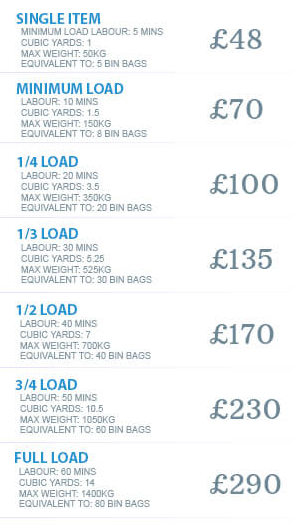
 Tipper Van - Rubbish Removal and Waste Disposal Prices in Kingston KT1
 Luton Van - Rubbish Removal and Waste Disposal Prices in Kingston KT1