Rubbish Removal in Kingston
Rubbish Removal Kingston provides a practical rubbish removal in Kingston service for homes, flats, landlords, shops and workplaces that need unwanted items taken away without unnecessary disruption. We handle mixed rubbish, bulky items and clearances that need a straightforward plan, with an emphasis on sensible loading, careful handling and tidy removal. If you want a local team to clear space and deal with the waste in a clear, organised way, this service is designed for that job.
Our work covers a range of clearance needs, from a single awkward item through to fuller property clearances where several types of waste need separating and removing. Common requests include furniture, office clutter, garden waste, garage contents, loft items and general rubbish that has built up over time. We keep the service focused on the practical job itself: lifting, loading, transport and lawful disposal, with the aim of leaving the area ready for whatever comes next. See the pricing page for a fuller breakdown of what can affect a quotation.
If you are comparing options and want a clear first step, begin with a brief description of the items and the access involved. If you already know the main things to remove, that helps shape the most suitable plan and avoids unnecessary back-and-forth. For a broader overview of the work we cover, our services overview explains the main clearance categories in one place, and you can use it to decide which service best matches your job.
House and Property Clearances
Domestic clearances often need more than a quick collection, especially where items come from different rooms or where several bulky pieces must be moved safely through narrow access. We clear general household rubbish, old furniture, broken appliances where permitted, bagged waste and other accumulated items from homes and rented properties. The aim is to make the process manageable, whether the request is for a partial clearance or a more complete property emptying.
For larger domestic jobs, it helps to think in terms of what should stay and what should go. A useful preparation step is to group obvious keepers, identify any items that need extra care and flag anything that may be awkward to carry from upper floors or shared access. That does not need to be complicated; a short note or a few photos can be enough to outline the job clearly. If you need a fuller conversation about the scope, our house clearance page gives a more specific entry point for domestic work.
Typical house clearance requests may include a mix of furniture, bagged rubbish, shelving, bedding, toys, small appliances and general clutter. Where needed, we can also support related room-by-room clearances such as lofts or garages, so the job can be broken into sensible sections rather than treated as a single overwhelming task. The key is to match the removal method to the actual volume and access conditions, which makes the work more efficient and easier to quote for accurately.
Furniture, Bulky Items and Household Waste
Bulky item removal is often the simplest way to deal with one difficult piece rather than arranging a larger clearance. Sofas, wardrobes, beds, tables, chairs and other sizeable items can be assessed as individual removals or grouped into a larger collection if several pieces need clearing at once. We focus on safe handling and sensible loading so that heavy or awkward items are moved with care rather than treated as routine bags of waste.
When furniture is part of a larger household clear-out, it can help to list each item briefly and mention whether it is upstairs, in a basement, behind another room of storage or already outside. That sort of detail supports a more accurate quotation and makes the collection plan more reliable. A clear description also helps distinguish between straightforward bulky waste and items that may need extra time because of weight, size or access. For dedicated bulky-item work, the furniture disposal page is the nearest relevant option.
Household waste does not always arrive in a tidy form. It may include mixed clutter, packed bags, broken household goods and miscellaneous items that have built up in spare rooms or cupboards. The service is designed to remove that mixture without forcing you to sort it into separate specialist jobs unless a particular item genuinely requires different handling. If you are unsure what falls within the collection, it is usually best to describe the contents plainly and let the quote reflect the actual work involved.
Garden, Garage and Loft Clearance
Outdoor and storage spaces often become holding areas for awkward waste, old equipment and items that are no longer in regular use. Garden clearances can include soil-free green waste, cuttings, broken planters, sheds contents, bags of debris and general outdoor clutter. Garage and loft clearances may involve a wider mix of household storage, tools, boxed items, damaged goods and forgotten pieces that are difficult to remove in one go without a plan.
These spaces are rarely uniform, so the best quotation usually depends on the type of waste as much as the total amount. Green waste, mixed household rubbish and stored possessions are not always the same job, even when they are all being removed from one property. If you have a garage, loft or garden that needs attention, it is helpful to separate any items you are keeping from items destined for removal before the visit or estimate. For a closer look at one common outdoor request, visit the garden waste removal page.
Garages and lofts often need a more careful approach than a simple collection from the kerb. Access can be limited, stairs may be narrow, and stored items may have to be moved out in stages. We therefore treat these jobs as structured clearances rather than loose collections, which allows the loading process to be safer and more orderly. If the space contains both waste and items that might be reused or donated elsewhere, it is worth distinguishing them in advance so the right approach can be chosen.
Office and Commercial Clearance
Business premises need a clearance service that is practical, discreet and organised around the realities of working space. We remove unwanted office furniture, filing, general workplace clutter, old stock and other commercial waste from offices and similar premises. The aim is to clear the affected area so staff can continue using the building or hand it back in a cleaner state, without leaving the customer to manage the heavy lifting alone.
Commercial work often benefits from a brief rundown of what needs to leave and what must remain in place. That is especially true when there are desks, chairs, cabinets, archived papers or equipment stored across different rooms. A clear list can also help identify any items that may need special care because they are awkward, fragile or positioned in a difficult part of the building. If your request is primarily business-related, the office clearance page sets out the most relevant service for this type of work.
Businesses sometimes need a phased approach, where a room is cleared first and then a wider area follows later. That can suit relocations, refurbishments, end-of-lease handovers or simple decluttering before a reorganisation. Our service is structured to handle mixed office contents as part of one practical removal plan, rather than forcing every item into a separate process. For many commercial customers, the main decision is not whether to clear the waste, but how to sequence the work so it causes the least disruption.
Prices, Quotations and What Affects the Cost
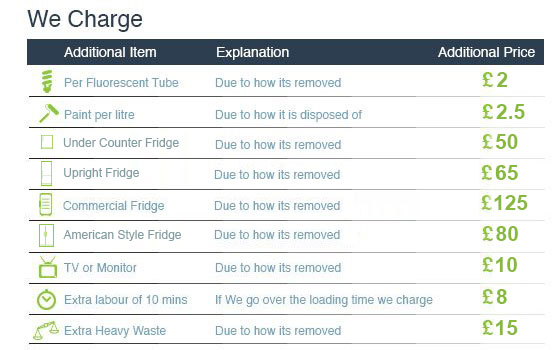
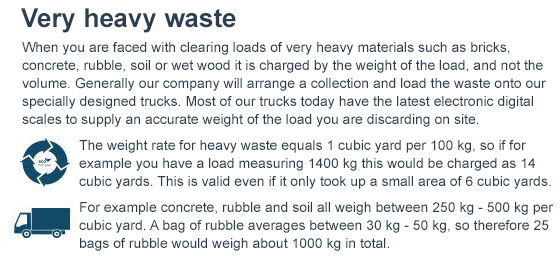
Clearance pricing depends on several practical factors, including the amount of waste, the type of items involved, how easy it is to access them and whether the job includes mixed contents that require more handling. A small load of bagged rubbish will usually be approached differently from a multi-room clearance with bulky furniture and difficult stairs. The service is therefore best quoted against the actual job rather than assumed from a single headline description.
When asking for a quotation, it helps to describe the main items, note the property type and mention anything that could affect loading time. Access details matter too: for example, whether items are on the ground floor, whether parking is straightforward, or whether the clearance will involve a long carry from the property to the vehicle. You do not need a long message, just enough detail to show what is being removed and how it is arranged. For a more focused view of cost information, our pricing and quotes page is the best place to start.
If you prefer to understand the figures before deciding, the pricing page can help you compare the main influences on a quote without overcomplicating the process. Clear information usually leads to a clearer estimate, and that benefits both smaller one-off collections and larger property clearances. You can also use the general pricing page if you are weighing up several different items or want to see how various clearance types are handled in practice.
How to Prepare for a Collection
Good preparation is simple. Keep the items to be removed together if you can, separate anything you intend to keep, and make sure the route to the waste is as open as possible. If there are fragile objects, tight corners or shared entrances, it helps to mention them when requesting the quotation so the collection can be planned sensibly. These small steps can make the visit smoother without turning the process into a major job in itself.
It is also useful to think about whether the waste is all in one area or spread across several rooms. A loft, garage or office clear-out may need more than one loading point, whereas a single pile of rubbish in a driveway is much more straightforward. If you have any uncertainty about what can be taken, describe the contents as accurately as you can and note any items that look unusual or particularly bulky. For general enquiries, the contact page is the most direct way to request a quotation.
We keep the enquiry process practical rather than formal. A short message with the service type, location, item list and any access notes is usually enough to begin. Once the scope is clear, the next step is to confirm the most suitable collection plan and arrange the removal in a way that suits the property. If you are ready to move ahead, request a quotation today.
Recycling, Disposal and Responsible Waste Handling
Rubbish removal is not just about lifting items away; it also involves deciding how different materials should be handled afterwards. Mixed loads may contain reusable items, recyclable materials and general waste, and the right treatment depends on what is actually in the collection. Our approach is built around practical sorting and responsible disposal, so the service is not limited to transport alone. That matters for customers who want the clear-out completed in a tidy, orderly way.
Some items are straightforward, while others need a more careful decision on disposal. Waste streams can include furniture, metal, wood, paper, cardboard, garden matter and general household debris, each of which may need a different route after collection. This is one reason why a detailed description is useful at quotation stage. If you would like to understand how the service handles waste outcomes in more general terms, the recycling and sustainability page gives that subject its own space.
Responsible handling does not need to be complicated from the customer side. It simply means telling us what is there, letting us assess the job properly and arranging the removal so the waste can be dealt with in a sensible way. For a customer, the main outcome is straightforward: less clutter, less effort and a clear finish to the job. When the waste is described well, the whole process becomes easier to plan.
About Kingston
Kingston upon Thames, usually shortened to Kingston, is a historic town on the River Thames in southwest London. Its riverside setting has long shaped the character of the place, with waterside walks, bridges and open public spaces forming part of the town’s everyday geography. Kingston Bridge connects the town centre to the south bank, while the river frontage and nearby pathways create a strong sense of movement between commercial streets and calmer open areas. The town is also known for its long-established market tradition, with the marketplace remaining a central feature of civic life and urban form. In the surrounding streets, older buildings sit alongside later retail and residential development, giving the centre a layered architectural appearance that reflects different periods of growth. Notable landmarks include the ancient coronation stone associated with Anglo-Saxon kings, which stands as one of the town’s best-known historic references, and the parish church of All Saints, whose setting near the high street underlines Kingston’s longstanding religious and civic importance. Canbury Gardens, on the river side of the town, provides open green space close to the centre, while nearby parks and riverside paths offer places to walk, rest and watch the river traffic. Kingston also has a strong cultural presence, with theatres, music venues, cafés and shopping streets contributing to a busy town-centre atmosphere. Its mix of heritage, transport links and leisure space makes it a distinctive part of Greater London with a character that is both historic and commercially active.
Typical Rubbish Removal Jobs
Different properties create different kinds of clearance requests, and it is often useful to match the job to the most relevant service category before asking for a quote. A household may need help after a declutter, a tenant move-out or a spring clear of stored items. A business may need office furniture removed before a refit. A garden might need accumulated green matter and outdoor clutter cleared. The common thread is that each job benefits from clear identification of the waste and a practical removal plan.
Our service pages provide more specific entry points for these common requests, including rubbish clearance, waste removal, junk removal and rubbish collection. Those pages are useful when you already know the broad type of work and want a more direct route to the right enquiry. They also help distinguish a general clearance from more specific item or property-based removal needs.
Other jobs may suit more focused pages such as garage clearance or loft clearance where storage spaces have become difficult to manage. The point is not to over-segment the work, but to choose the route that best matches the contents, access and scale of the clear-out. That makes quotation and collection easier to organise, especially when several different kinds of rubbish are mixed together in one property.

Builders Waste Clearance
Read more

Garden Waste Removal
Read more

House Clearance
Read more

Office Clearance
Read more

Rubbish Clearance
Read more

Waste Removal
Read more

Furniture Disposal
Read more

Garage Clearance
Read more

Loft Clearance
Read more

Junk Removal
Read more

Skip Hire
Read more

Rubbish Collection
Read more
Frequently Asked Questions



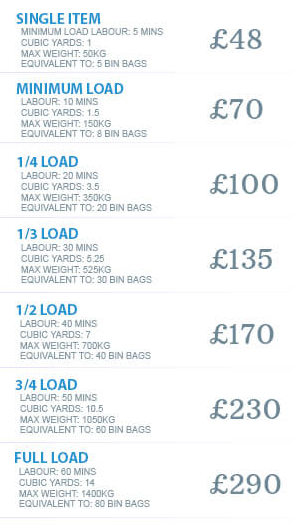
 Tipper Van - Rubbish Removal and Waste Disposal Prices in Kingston KT1
 Luton Van - Rubbish Removal and Waste Disposal Prices in Kingston KT1