Waste removal Kingston Station KT1 tips for commuters
Posted on 07/05/2026
If you commute through Kingston Station, you already know how fast the day can get away from you. One minute you are rushing for a train, the next you are carrying a bag of broken flat-pack, old office bits, or a pile of recycling that has to move before it starts taking over the hallway. That is exactly where Waste removal Kingston Station KT1 tips for commuters become genuinely useful: not as theory, but as a practical way to fit clearance around a busy travel routine without making your morning harder than it needs to be.
This guide is for people who want waste gone efficiently, with as little disruption as possible. Whether you are working locally, heading into central London, juggling a move, or just trying to keep a rented flat tidy, the trick is the same: plan around your commute, choose the right removal method, and avoid the classic mistakes that waste both time and money. Let's face it, nobody wants to stand on the platform thinking about a wardrobe carcass waiting at home.

Why Waste removal Kingston Station KT1 tips for commuters Matters
Commuters in KT1 are usually operating on a narrow schedule. Trains, buses, school runs, last-minute meetings, gym sessions, grocery stops, all of it stacks up. Waste removal becomes tricky because rubbish rarely appears at a convenient time. It tends to show up on a Sunday evening, or the night before you need to leave early.
That is why a commuter-focused approach matters. It helps you organise disposal in a way that works with your day rather than against it. If you can line up collection windows, packing, and access arrangements before the morning rush, you avoid the messy middle where everything sits in the entrance and no one wants to deal with it.
There is also a local angle. Kingston Station serves a busy catchment of residents, office workers, students, and people passing through the town centre. That means the area around the station often moves quickly, and timing matters. A missed slot or a poorly planned collection can mean extra stress, extra lifting, and another day of clutter. Not ideal.
For people who need broader support, a local service such as waste removal in Kingston can be a better fit than trying to squeeze a DIY trip to the tip into a packed weekday. And if you are comparing services, the wider service overview is a useful place to understand what is available before you commit.
How Waste removal Kingston Station KT1 tips for commuters Works
At its simplest, waste removal near Kingston Station works by matching your disposal need to the amount of time, access, and effort you can realistically spare. For commuters, the best outcome is usually one of three things: a quick collection arranged around your working hours, a same-day removal after you get home, or a pre-booked slot that avoids clashing with travel.
The process usually looks like this:
- Identify the waste type. General rubbish, furniture, broken appliances, garden debris, builder's waste, or a mixed load all need different handling.
- Estimate volume. A few bags is very different from a full room clear-out. Even a rough estimate helps avoid overbooking or underbooking.
- Check access. Think about stairs, lifts, parking, loading distance, and whether the collection point is easy to reach from the road.
- Choose the best time. Early morning, lunch break, after-work, or weekend slots all have different advantages.
- Prepare the waste. Bag loose items, separate recyclables where practical, and keep sharp or awkward objects safely contained.
- Confirm the handover. Make sure someone can answer the door, or that collection instructions are clear if you are not at home.
The practical part is not complicated, but commuters often lose time because they assume there will be "some spare moment" later in the week. There usually isn't. If you know you will be moving bags through a hallway at 7:30 in the morning, plan for that. A little realism saves a lot of faff.
If the load includes furniture or mixed household items, services such as furniture disposal in Kingston or rubbish clearance in Kingston may be more practical than a general collection alone. The right fit depends on what you actually need removed, not just what sounds easiest in the moment.
Key Benefits and Practical Advantages
The main benefit is obvious: less clutter. But for commuters, the real value goes deeper than that. You are buying back time, energy, and headspace. That matters more than people sometimes admit.
Here are the advantages that usually make the biggest difference:
- Less disruption to the day. Collections that work around station travel reduce missed trains and stressful handoffs.
- Faster clear-down after a move or tidy-up. Useful if you are between tenancies, selling a property, or refreshing a rental.
- Safer home access. Fewer bags in the hallway means fewer trips, less tripping risk, and less awkward shuffling past the front door.
- Better use of weekends. Nobody wants waste disposal to eat into the only day off.
- Cleaner recycling choices. A structured service often makes it easier to separate recyclable materials properly.
There is a quieter benefit too. A tidy home or flat changes the tone of your evening. You walk in, drop your keys, and the place does not feel like a half-finished job. That small relief can be worth a lot when your calendar is already full.
For people who care about responsible disposal, the sustainability angle matters as well. You can read more about that approach on the site's recycling and sustainability page. It is a sensible next stop if you want a service that thinks beyond simple collection.
Who This Is For and When It Makes Sense
This kind of waste removal advice is especially useful for people whose schedules are already tight. In practice, that covers a lot of Kingston Station commuters.
- Flat sharers who need to clear old furniture, packaging, or end-of-tenancy clutter.
- Homeowners dealing with a mini renovation, loft tidy, garage build-up, or garden cuttings.
- Office workers and local businesses clearing desks, files, packaging, or redundant equipment.
- Landlords and letting agents who need a property reset between occupiers.
- People moving house who discover the "we'll sort it later" pile is now very much a real problem.
It also makes sense if you only have a short window at home. Maybe you leave before 8 a.m. and get back after 6. Maybe your work rota changes every week. Or maybe you simply do not want a skip outside for days because the street is busy. In those cases, a collection-based approach can be much easier.
For example, if you are dealing with a property sale or a rental reset, a quick browse through selling real estate in Kingston can help you see why clear spaces matter before viewings. And if you are figuring out broader local living patterns, local residents' thoughts on living in Kingston gives a useful sense of day-to-day life in the area.
Step-by-Step Guidance
If you want waste removed near Kingston Station without it becoming a logistical headache, the trick is to work backwards from your commute. Start with your travel pattern, then fit the clearance into the least awkward slot. Simple, but easy to skip.
1. Separate what needs to go
Walk through the property and create three groups: keep, donate or reuse, and remove. This stops you paying to dispose of things that could be passed on, and it keeps the job smaller. Be ruthless, but not ridiculous. You do not need to overthink an old kettle.
2. Choose the collection style
Think about whether you need a general rubbish clearance, a furniture-only removal, or a more specialised service such as garage clearance in Kingston or loft clearance in Kingston. The load type often decides the best method.
3. Pick a time that fits the commute
Morning collections can work well if you are leaving home early anyway. After-work slots can be ideal if access is easier once the building quietens down. Weekend options are useful, but they can disappear quickly, especially during house-moving season. In short: book earlier than you think you need to.
4. Make access simple
Clear the path to the waste. Move parked bikes, tidy the hallway, unlock gates, and warn neighbours if shared access might be used. If collection vehicles need space, make sure it is available. A smooth handover really does save time.
5. Keep recyclables separate if practical
Flatten cardboard, bundle clean metal or wood if requested, and keep electrical items together. This helps sorting and can reduce confusion on arrival. It also makes you feel vaguely organised, which is rare and lovely on a weekday.
6. Confirm all the little details
Check the collection window, payment method, and whether someone needs to be present. If you are not home, leave clear instructions. Small misunderstandings are what turn a quick job into a frustrating one.
If your clearance is part of a bigger project, such as renovation or a commercial fit-out, the more specialised builders waste clearance in Kingston page is worth a look. Different waste types need different handling, and it is better to match the service properly than guess.
Expert Tips for Better Results
A few small decisions can make a surprisingly big difference. These are the tips that tend to help commuters most.
- Bundle jobs together. If you have a few bags, an old chair, and some cardboard, clear them in one go rather than splitting the work over multiple weeks.
- Use your commute rhythm. If you always leave the house at the same time, set the collection to fit that pattern rather than fighting it.
- Photograph the waste before booking. A quick picture can help estimate volume more accurately and reduce back-and-forth.
- Plan for awkward items early. Mattresses, broken wardrobes, and bulky office furniture are the things that tend to slow people down.
- Ask about recycling routes. Responsible disposal is not just a nice extra; it can be part of the service expectation.
- Keep the route clear to the kerb or loading point. One blocked doorway can add ten minutes and a lot of irritation.
One thing people often overlook is noise and neighbours. If you are carrying items out early in the morning, try not to clatter bags down stairs or drag metal across the floor. It sounds obvious, but there is always that one recycling box that seems to have a grudge. A little care keeps the whole thing friendlier.
For peace of mind on handling and service standards, the company's insurance and safety information is a sensible reference point. You do not need to become an expert in every detail, but you should know who is responsible for what.

Common Mistakes to Avoid
The biggest mistakes are usually not dramatic. They are small assumptions that create delays.
- Leaving booking until the last minute. Commuter schedules are tight enough already. Don't add panic.
- Underestimating volume. What looks like "a few bits" on Tuesday can become a full load by Thursday.
- Mixing the wrong materials. Some items can be separated more efficiently if you keep them grouped.
- Forgetting access restrictions. Gates, lifts, parking, and timed entry points can all affect the job.
- Assuming every service handles every item. Certain waste streams need specific treatment or specialist handling.
- Not checking the final cost structure. If a quote is based on load size or item type, make sure you understand what is included.
To be fair, most people only make these mistakes once. The first time is inconvenient. The second time is enough to make you a planner for life.
Another common issue is trying to force everything into one bag at the end of a long day. That sounds efficient, but it often leads to torn bags, sharp edges poking through, and a hallway that looks worse than when you started. A bit of sorting upfront is kinder to everyone.
Tools, Resources and Recommendations
You do not need a van load of equipment to organise waste removal well. A few simple tools are enough.
- Heavy-duty bin bags for loose household waste and small mixed items.
- Marker tape or labels to identify items that must stay, be reused, or be removed.
- Gloves for broken furniture, dusty loft items, or garden waste.
- Cardboard boxes for smaller bits that would otherwise scatter.
- Phone camera to take quick photos for quotes or planning.
- Measuring tape if you are dealing with bulky items or tight access points.
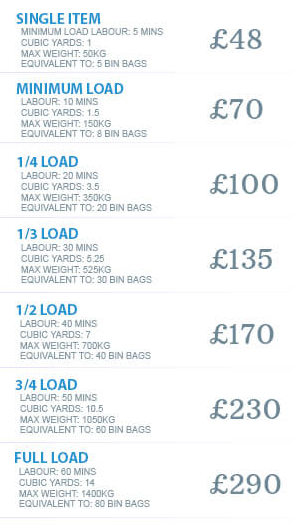
For a more service-focused view, the pricing and quotes page can help you understand how estimates are usually handled, while about us gives useful background if you want to know more about the people behind the service. That kind of transparency matters. It just does.
If your waste problem is more specific, these pages can also help you narrow things down:
- house clearance in Kingston for whole-home clear outs
- office clearance in Kingston for workplace and desk-area removal
- junk removal in Kingston for mixed clutter and oddments
- rubbish collection in Kingston for routine disposal needs
- skip hire in Kingston if you have a larger project and space for a skip
Law, Compliance, Standards, or Best Practice
Waste removal in the UK sits within a framework of basic legal and environmental expectations. You do not need to memorise every detail, but it helps to understand the broad responsibilities.
As a customer, the most sensible best practice is to use a provider that handles waste responsibly, sorts recyclable material appropriately where possible, and disposes of it through legitimate channels. If you are removing business waste, the usual care standards are even more important, because office items can include confidential documents, electrical equipment, and mixed materials that should not be treated casually.
For household waste near Kingston Station, the main practical advice is simple: do not leave waste in public areas, do not block shared access routes, and do not assume that everything can go in one pile. If you are unsure about particular items, ask before collection. It is much safer to clarify upfront than discover a problem on the day.
Where a job involves heavier items, awkward access, or potential safety risks, it is worth checking that the service explains its handling approach clearly. The site's payment and security page can also reassure you about transactional basics if you are arranging a booking online.
One practical rule of thumb: if an item feels like it needs special treatment, it probably does. That is not alarmist; it is just common sense.
Options, Methods, or Comparison Table
For commuters, the right waste removal method usually depends on time, volume, and how much physical effort you want to spend. Here is a straightforward comparison.
| Option | Best for | Pros | Things to watch |
|---|---|---|---|
| Booked waste collection | Regular household or mixed waste | Flexible, usually quick, fits busy schedules | Needs accurate timing and access details |
| Junk removal service | Odd items, clutter, mixed loads | Convenient, less lifting for you | Costs can vary by item type and volume |
| Skip hire | Larger projects or ongoing clear-outs | Good for sustained work over several days | Needs space, permits may be relevant in some cases |
| Specialist clearance | Furniture, lofts, garages, office items | Better match for bulky or specific waste streams | May require a clearer item list or site access info |
If your schedule is unpredictable, collection-based services usually win. If you are doing a bigger property project and can manage the space, skip hire might make more sense. There is no single best option for everyone, which is why it helps to think in terms of your actual week, not just the theoretical one you wish you had.
Case Study or Real-World Example
Here is a realistic example from the kind of situation many Kingston Station commuters face.
A tenant in a KT1 flat had an end-of-tenancy clean-up to do, but worked full-time and caught an early train most mornings. The hallway had a broken desk, two black bags of mixed waste, and a stack of flattened boxes from a recent move. On paper, it looked like a small job. In reality, it was sitting there for nearly two weeks because every plan depended on "doing it after work".
The fix was simple. They grouped the waste by type, took a few photos, booked a collection for a late afternoon slot, and left a clear path from the front door to the curbside point. The desk was handled as a bulky item, the cardboard was separated, and the mixed bags were removed in one visit. The whole thing was done without derailing the commute.
The useful lesson? Waste removal gets easier the moment you stop treating it like an all-day task. It usually is not. It is a coordination task. Once that clicks, the process feels much lighter.
If you are in a similar situation and want to compare local options, the main contact page is the cleanest way to ask about timing, access, and the right service for your load. Sometimes a quick conversation is faster than trying to guess your way through it.
Practical Checklist
Use this before you book anything near Kingston Station.
- Identify exactly what needs removing.
- Separate items you want to keep, donate, or discard.
- Estimate the amount of waste as best you can.
- Take photos of bulky or unusual items.
- Check access for stairs, lifts, gates, or parking limits.
- Choose a collection time that suits your commute.
- Confirm whether someone must be present.
- Ask how mixed waste and recyclables are handled.
- Review the pricing structure before approving the job.
- Keep the route to the waste clear on the day.
- Set aside any sensitive documents or valuables before collection.
- Make sure you have a contact number handy in case the crew needs directions.
Expert summary: the smoothest waste removal near Kingston Station is usually the one that respects your commute, your access constraints, and your actual load size. Small preparation upfront saves a surprising amount of time later. That is the whole game, really.
Conclusion
Waste removal around Kingston Station KT1 does not need to be a stressful extra job at the end of an already busy week. If you plan around your commute, match the service to the waste type, and prepare the access properly, the process becomes far more manageable. The difference is noticeable: fewer delays, fewer awkward moments, and a home or workspace that feels easier to live in.
For commuters, the real goal is not just getting rid of rubbish. It is keeping life moving. And that is a pretty good trade.
If you are comparing options now, start with the service that best fits your waste type and timing, then check the trust and safety details before you book. A little careful planning goes a long way, and the relief of a clear space is often better than people expect.
Get a free quote today and see how much you can save.