Kingston council rules for waste removal and fines explained
Posted on 07/07/2026
If you live, work, rent, or manage property in Kingston, waste rules can catch you out faster than you'd expect. A bag left by the wrong bin, a sofa put out too early, or builder's rubble dumped without the right arrangement can lead to complaints, collections refused, or fines. This guide on Kingston council rules for waste removal and fines explained breaks it all down in plain English, so you can stay compliant, avoid stress, and make sensible decisions about rubbish removal. Let's face it, nobody wants a ticket because of a missed detail on a damp Tuesday morning.
In the next sections, you'll learn how the rules typically work, what usually triggers penalties, how to avoid the common traps, and when a professional clearance service can save you time. If you are comparing options for a larger clear-out, you may also find the services overview and pricing and quotes information useful as a practical next step.

Why Kingston council rules for waste removal and fines explained matters
Waste disposal is one of those everyday topics that feels simple until it isn't. A missed bin day is inconvenient. A sofa left on the pavement for the wrong collection can become a neighbourhood issue. And if waste is dumped or presented incorrectly, the consequences can go beyond an ugly street corner. That is where understanding Kingston council rules for waste removal and fines explained becomes genuinely useful.
In practical terms, the rules exist to keep streets passable, protect public health, reduce fly-tipping, and make recycling work properly. When people ignore them, the impact lands on everyone: residents, landlords, managing agents, shop owners, builders, and even the council crews trying to clear up the mess. The nuisance is often obvious. The fine? Less so, until it arrives.
One thing many people miss is that waste problems often start small. A few black sacks beside a communal bin. A pile of packaging in the hallway after a move. A builder's skip left without proper care. None of that sounds dramatic. But over time, these are the exact situations that lead to enforcement or a complaint. If you are planning a larger clearance, the guidance in rubbish clearance in Kingston and house clearance support can help you stay on the right side of things.
Practical takeaway: the safest approach is simple: present waste correctly, use approved disposal routes, keep records where needed, and never assume that "someone else will sort it out." That assumption causes more trouble than people expect.
How Kingston council rules for waste removal and fines explained works
At a high level, the council expects waste to be placed out in the correct container, at the correct time, and in the correct format for collection or disposal. That sounds basic, and it is, but the details matter. General household waste, recycling, bulky items, garden waste, commercial waste, and construction debris can all be handled differently. The wrong type in the wrong place can trigger a refused collection, a warning, or an enforcement step.
For most residents, the process usually falls into one of these scenarios:
- Standard household collections - bins or sacks are presented as instructed, on the right day, with lids closed and no loose waste left beside them.
- Bulky waste or large-item disposal - items such as mattresses, wardrobes, sofas, or white goods are arranged through the proper collection route rather than left on the street.
- Garden and green waste - cuttings, branches, and soil are dealt with separately where applicable, not mixed carelessly with general rubbish.
- Trade or builder waste - rubble, plasterboard, timber, tiles, and mixed renovation waste must be managed carefully and often needs a specialist clearance method.
The fine side of the equation usually appears when waste is fly-tipped, left in a way that obstructs pedestrians or vehicles, dumped in communal areas, or presented for collection in breach of local instructions. In simple terms, if the council has to spend extra time dealing with your waste because it was left badly, the risk of enforcement rises. That is the bit people regret later.
For bigger or time-sensitive jobs, local residents often choose between council-style collection routes, skip hire, or a professional team that handles loading and disposal in one go. If you are weighing those options, it may help to look at rubbish collection in Kingston alongside skip hire in Kingston, because the best choice depends on access, volume, and timing. Not every driveway is a skip driveway. Truth be told, some are barely a wheelbarrow driveway.
Key Benefits and Practical Advantages
Getting this right has more benefits than simply avoiding a fine. It saves time, reduces mess, and makes property management smoother. That matters whether you are clearing a flat, dealing with renovation debris, or just trying to keep a family house under control after a busy few weeks.
- Fewer delays - collections are less likely to be refused if waste is sorted and presented properly.
- Lower enforcement risk - compliant disposal reduces the chances of warnings or penalties.
- Better recycling outcomes - waste sorted correctly is easier to recover and process responsibly.
- Cleaner shared spaces - especially important in blocks of flats, HMOs, office buildings, and busy streets.
- Less stress during moving or refurbishing - one less thing to chase when your list is already too long.
There is also a financial angle. If you know what is expected, you are less likely to pay twice - once for a failed attempt and again to fix the problem. For example, a homeowner getting ready to sell may want everything cleared in one tidy sweep, which makes services like loft clearance or garage clearance a far cleaner solution than trying to move bits and pieces piecemeal.
And there is a quieter benefit too: peace of mind. You know where things went. You know who handled them. You know the waste did not end up causing trouble for your neighbours or your building manager. That calm feeling is underrated, honestly.
Who This Is For and When It Makes Sense
This guide is useful for more people than you might think. It is not just for homeowners staring at an overflowing bin. It matters to landlords, tenants, estate agents, facilities teams, shop owners, tradespeople, and anyone arranging a clear-out in Kingston.
Homeowners and families
If you are spring cleaning, downsizing, or dealing with a house after years of accumulated stuff, the rules are easy to overlook. This is especially true when bulky items start appearing in hallways and gardens. A planned approach prevents the "we'll sort it later" spiral, which, as we all know, becomes a week of boxes sitting in the corner.
Landlords and letting agents
Empty property clearances, end-of-tenancy leftovers, and abandoned furniture can become compliance problems fast. Communal bin stores also need care. One tenant's mistake can affect the entire building, and landlords are often the ones who end up sorting the aftermath.
Builders and trades
Construction waste is a different beast. Even a small renovation can produce more debris than expected: plasterboard offcuts, timber, tiles, old fixtures, packaging, the lot. For these jobs, specialist help is often the cleanest route, especially if you need builders' waste clearance in Kingston.
Office managers and business owners
Office moves and refurbishments often involve desks, chairs, electronics, archive boxes, and packaging. A cluttered office store room can quietly turn into a compliance headache. If that sounds familiar, office clearance in Kingston is often the more sensible route than trying to stretch internal staff too thin.
Anyone under time pressure
Moving out, waiting for a completion date, getting a property ready for photos, or trying to clear access before contractors arrive - these are all moments when the right waste plan matters. In those situations, speed is helpful, but only if the disposal path is correct. One rushed mistake can cost more than a careful extra hour.
Step-by-Step Guidance
If you want to stay compliant and avoid fines, follow a simple process. It does not need to be complicated.
- Identify the waste type. Separate household rubbish, recyclables, garden waste, bulky items, and trade waste. Do not mix everything together and hope for the best.
- Check how it should be presented. Think about bin size, bag limits, collection days, and whether items need booking in advance.
- Remove prohibited items from standard waste. Some items need special handling, and putting them in the wrong stream can lead to refusal or enforcement.
- Plan the timing. Put waste out at the correct time, not the night before if rules say otherwise. Early presentation can attract complaints or mess.
- Protect communal and public areas. Keep pathways clear, do not block fire exits, and avoid leaving items where they become an obstruction.
- Use the right disposal option for larger jobs. If there is too much for normal collections, use a suitable clearance service or approved bulky waste route.
- Keep evidence if needed. Photos, booking confirmations, and invoices can help if there is any dispute about what was arranged.
For householders facing a pile of mixed items after a move, a full clearance is often cleaner than trying to break the job into three mini jobs and a prayer. That is where house clearance services or junk removal in Kingston can make life much easier.
A small but useful habit: take one photo before you put waste out and one after it is collected. It sounds fussy until you need it. Then it suddenly feels very sensible.
Expert Tips for Better Results
In our experience, the difference between a smooth waste removal job and a messy one is usually in the planning, not the lifting.
- Sort first, move second. If you can separate reusables, recyclables, and general waste before collection day, you will save time later.
- Measure bulky items. A wardrobe that "should fit" is a classic trap. Measure doorways, stairwells, and outside access.
- Protect shared access routes. In flats and terraces, keep hallways and entrances clear. Your neighbours will notice, and not in a good way.
- Book early for awkward jobs. Morning slots and access-friendly windows are worth asking for when space is tight.
- Ask what is included. Loading, lifting, disposal, recycling, and labour should all be clear before work starts.
- Use the right service for the right mess. A sofa, a loft, a garden, and a renovation job are not the same thing. They really aren't.
For homeowners dealing with renovation leftovers, the most efficient route is often not a skip in the street but a dedicated collection arranged around access and volume. If that sounds like your situation, the page on furniture disposal in Kingston can be a helpful complement, especially where old items and general clear-out waste are mixed together.
Also, do not underestimate how quickly a "small pile" becomes a big one. By Friday evening it looks fine. By Monday morning it looks like the house has been in a minor argument with a cardboard box factory.

Common Mistakes to Avoid
Most waste-related fines and headaches come from a predictable set of errors. If you can avoid these, you are already ahead of many people.
- Leaving waste out too early - this can create obstruction, spoil the street scene, or attract unwanted dumping.
- Mixing waste types - putting everything in one pile makes recycling harder and can breach local instructions.
- Assuming a neighbour or caretaker will deal with it - unless that has been agreed clearly, this is a risky assumption.
- Using the wrong disposal route for bulky items - a mattress or fridge is not just "another bag" of waste.
- Blocking pavements or fire exits - this is one of the fastest ways to create a complaint.
- Booking without checking access - tight staircases, no parking, and awkward loading zones can delay the job.
- Not reading the service scope - people often assume more is included than actually is.
A lot of frustration can also be avoided by reading a bit more carefully before booking. The article on common booking mistakes for rubbish removal in Kingston is worth a look if you want the practical version of "don't do that again."
One more thing: if access is bad, say so early. Seriously. A team turning up to a blocked entrance or a van that cannot get near the property wastes everyone's time. If that sounds familiar, what to do when access blocks waste removal in Kingston covers the problem in more detail.
Tools, Resources and Recommendations
You do not need a van full of specialist kit to manage waste well, but a few simple tools make life easier.
- Heavy-duty bags and boxes for safe sorting and moving.
- Labels or marker pens to separate recycling, donation, and disposal piles.
- Basic measuring tape for bulky item planning.
- Gloves and sensible footwear if you are moving sharp or awkward materials.
- A phone camera for before-and-after records.
- A calendar reminder so collection day does not sneak up on you.
As for service selection, start with the job itself. If it is a small volume of mixed items, a quick clearance may be enough. If you are clearing a house, loft, garage, or office, a more structured service tends to be better value in the long run. The broader services overview is useful for comparing your options without guessing.
If you are conscious about environmental impact, the recycling and sustainability page is also a sensible read before you book anything major. It helps set expectations about what responsible disposal should look like, which is increasingly important, and rightly so.
Law, Compliance, Standards, or Best Practice
When people ask about Kingston council rules for waste removal and fines explained, they are usually asking two things: what am I allowed to do, and what happens if I get it wrong? The safest answer is to follow the council's published instructions for collection, presentation, and disposal, and to treat fly-tipping or obstruction as serious issues rather than minor nuisances.
In the UK, residents and businesses generally have a duty to dispose of waste responsibly. That means using authorised collection routes, not abandoning waste on land or by bins, and ensuring anyone you hire is dealing with waste properly. Best practice also includes keeping clear records, especially for trade waste, mixed loads, or larger clearances where responsibility needs to be traceable.
For everyday users, that translates into a few simple standards:
- Do not leave waste where it obstructs public access.
- Do not put hazardous or restricted materials into ordinary waste without checking the correct route.
- Do not assume all rubbish is treated the same way.
- Use reputable collection and clearance arrangements for bulky or mixed waste.
- Keep an eye on local instructions because collection rules can change or be updated.
If you are handling customer property, commercial waste, or sensitive clear-outs, trust matters too. Pages like insurance and safety and terms and conditions are worth checking so you understand who is responsible for what. Not glamorous reading, I know, but the boring pages are often the useful ones.
Options, Methods, or Comparison Table
When choosing how to deal with waste in Kingston, the right option depends on volume, access, urgency, and the type of material. Here is a simple comparison to help with decision-making.
| Method | Best for | Strengths | Watch-outs |
|---|---|---|---|
| Standard council-style collection | Routine household waste and recycling | Simple, familiar, often low effort | Limited to the correct bin and schedule; bulky waste is usually separate |
| Bulky waste collection | Sofas, beds, white goods, single large items | Convenient for occasional larger items | May need booking; not suitable for mixed clear-outs |
| Skip hire | Renovation waste, ongoing projects, substantial volumes | Useful for phased work, flexible capacity | Needs space, access, and careful loading |
| Professional rubbish removal | House, loft, office, garage, or mixed waste clearances | Loading included, quick turnaround, less disruption | Needs a clear quote and access details up front |
In many real-life situations, the decision is not about "cheapest" versus "best." It is about what will actually solve the problem without causing another one. For example, if access is narrow and time is short, a professional team may be better than a skip. If the job is spread over several days, skip hire could make more sense. There is no single right answer, annoying as that sounds.
Case Study or Real-World Example
Picture a Kingston flat at the end of a tenancy. There is a mattress in one bedroom, a broken table in the kitchen, black bags in the hallway, and several boxes of mixed bits from a rushed move. The tenant thinks, reasonably enough, that one last trip to the pavement should be enough. But the building has shared access, the council collection day is not immediate, and the items are not being presented in the right way. A neighbour complains. Suddenly, the issue is no longer just "rubbish." It is a building management problem.
In that sort of situation, the better move is to stop trying to make the waste disappear by luck. Separate what can be recycled, remove anything that should not be in general waste, and arrange a proper clearance. If there is furniture involved, a dedicated furniture disposal service can remove the awkward parts cleanly. If the job expands into wardrobes, shelves, old bags, and loft storage, it may be worth combining this with loft clearance or a broader house clearance.
The lesson is simple: when a waste job stops being a tidy bin issue and turns into a mixed-item clearance, the risk of mistakes rises quickly. A calm, structured approach almost always wins.
Practical Checklist
Use this before you put anything out or book a clearance:
- Have I identified the waste type correctly?
- Does this item belong in normal household waste, recycling, garden waste, or bulky disposal?
- Am I putting the waste out at the correct time?
- Could this block access, bins, doors, or pavements?
- Do I need special handling for electronics, builders' waste, or furniture?
- Have I checked whether the job is too large for routine collection?
- Do I know what the service includes, and what it does not include?
- Have I kept photos or notes in case there is a question later?
- Is there a better option for mixed or heavy waste?
- Have I considered recycling or re-use before disposal?
If you can tick most of those boxes, you are in good shape. If not, slow down a bit. A few extra minutes now can save you a lot of hassle later. That is usually the smarter trade.
Conclusion
Kingston council rules for waste removal and fines explained is really about one thing: disposing of waste in a way that is safe, tidy, and properly arranged. Once you understand the basics - what can go where, when it should be presented, and which jobs need specialist handling - the whole process becomes far less stressful.
The main thing to remember is this: the more complex the waste, the more important it is to plan ahead. Routine bins are one thing. Bulky furniture, mixed clear-outs, garden waste, office contents, and builder's debris are another. If you treat them all the same, that is where trouble starts. If you match the disposal method to the job, you reduce the chance of fines, delays, and awkward clean-up headaches.
Get a free quote today and see how much you can save.
Whether you are clearing one room or an entire property, a careful waste plan makes life easier. And honestly, there is something reassuring about seeing a space go from cluttered and noisy to clear and calm again. It feels like a fresh start, even on an ordinary day.



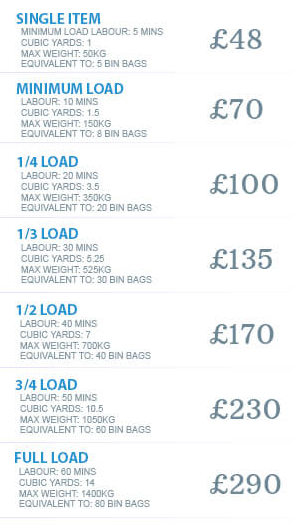
 Tipper Van - Rubbish Removal and Waste Disposal Prices in Kingston KT1
 Luton Van - Rubbish Removal and Waste Disposal Prices in Kingston KT1