Hazardous waste disposal rules in Kingston and legal limits
Posted on 17/08/2026

If you have ever found a leaking paint tin in the garage, a broken fluorescent tube in the loft, or an old battery tucked behind a shelf, you will know how awkward hazardous waste can be. It is not just "rubbish". In Kingston, hazardous items need more care, more sorting, and a clearer understanding of what the legal limits actually are. Get it wrong, and you risk contamination, safety problems, and avoidable hassle. Get it right, and disposal becomes much simpler.
This guide explains Hazardous waste disposal rules in Kingston and legal limits in plain English. You will learn what counts as hazardous waste, how local disposal normally works, what legal limits mean in practice, and how to avoid the common mistakes people make when clearing a home, office, garage, or renovation site. To be fair, most problems happen because people are unsure where "ordinary rubbish" ends and regulated waste begins. That line matters.
For readers also dealing with broader clearance or compliance questions, it may help to look at our wider waste services overview and our notes on insurance and safety. They sit well alongside the guidance below, especially if you are managing a bigger clear-out.
- Why hazardous waste disposal rules matter
- How hazardous waste disposal works in Kingston
- Key benefits and practical advantages
- Who needs this guidance
- Step-by-step guidance
- Expert tips for better results
- Common mistakes to avoid
- Tools, resources and recommendations
- Law, compliance, standards and best practice
- Options and comparison table
- Case study or real-world example
- Practical checklist
- Conclusion
- Frequently asked questions
Why Hazardous waste disposal rules in Kingston and legal limits Matters
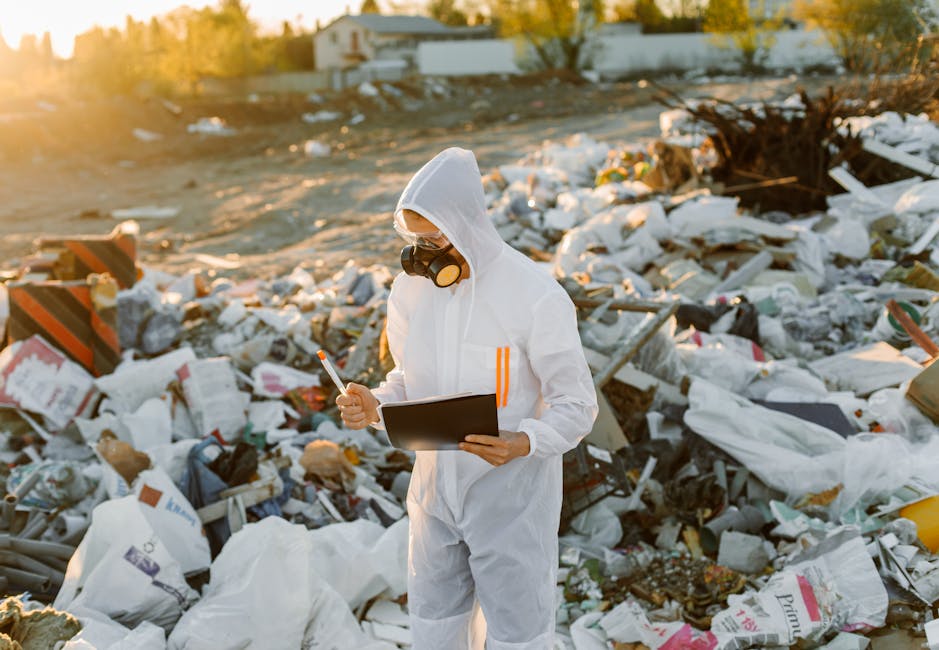
Hazardous waste matters because it can harm people, property, and the environment long after the bin lid has closed. Paints, solvents, oils, chemicals, aerosols, fluorescent lamps, asbestos-containing materials, sharps, pesticides, and many batteries can all create risks if they are mixed into normal rubbish. Some items are dangerous because they are flammable. Others are corrosive, toxic, or able to leak into water and soil.
In Kingston, as elsewhere in the UK, the legal and practical limits are not there to make life difficult. They exist because hazardous waste needs traceability, correct containment, and the right treatment route. A small mistake at home can become a much bigger issue once waste is transferred, stored, or processed. That is especially true on busy clearance days, when it is tempting to just "get it all out the door" and sort it later. Later is usually too late.
There is also a financial angle. If you ignore the rules, you may face extra charges, failed collections, or the cost of re-handling contaminated loads. In a commercial setting, poor handling can create a compliance headache. In a domestic setting, it can simply be stressful and messy, and nobody needs that on a damp Saturday morning.
A useful local habit is to separate questionable items early, before the real clearing starts. That small pause often saves a whole day. It also makes it much easier to work out whether you need a specialist collection, a licensed waste route, or a standard clearance service such as rubbish clearance in Kingston for the non-hazardous portion of the job.
How Hazardous waste disposal rules in Kingston and legal limits Works
At a practical level, hazardous waste disposal follows a simple pattern: identify, isolate, classify, package, move, and hand over to the correct route. The details change depending on the material, quantity, and source, but the logic stays the same. If an item could leak, ignite, corrode, infect, or release fumes, it should not be treated like ordinary residual waste.
For most households, the first step is recognition. Many people know that solvents and chemicals are hazardous, but miss other items such as old batteries, paint thinners, brake fluid, and certain cleaning products. Even a partially used container can still be a problem. "Nearly empty" does not mean safe. Not really.
The second step is separation. Put hazardous items aside in a dry, stable location away from heat, children, pets, and other waste. Keep original labels where possible. Do not decant chemicals into food or drink bottles. That sounds obvious, but in real life people sometimes do it to save space. It is a bad shortcut.
The third step is checking the legal limit or threshold relevant to the item and the disposal route. In Kingston, the phrase "legal limits" usually refers to the point at which a material becomes regulated, requires specialist handling, or cannot be taken with ordinary mixed rubbish. It may also refer to quantity, packaging, or transport conditions. The exact legal position depends on the waste type, so it is safer to treat limits as a compliance boundary rather than a single universal number.
The fourth step is choosing the right route. Some waste is accepted through dedicated collection channels or specialist services. Some can be handled as part of a larger clearance job only if it is properly separated and declared. For example, after a house or loft clear-out, the non-hazardous items may be grouped for standard removal while hazardous items are dealt with separately. If you are planning that kind of mixed clearance, our loft clearance service and house clearance service pages are useful background reading.
The fifth step is documentation and handover. Businesses usually need more formal records, but even households benefit from keeping note of what was removed, when, and by whom. A simple photo on your phone can help if there is any later confusion. Nothing fancy. Just enough to prove what left the property.
Key Benefits and Practical Advantages
Following the rules is not just about staying on the right side of compliance. There are very real practical benefits, and some are immediate.
- Safer handling: you reduce the chance of spills, fumes, cuts, burns, and accidental exposure.
- Cleaner disposal: hazardous items stay out of general waste streams, which protects recycling processes too.
- Lower risk of rejection: correctly separated waste is less likely to be refused on collection day.
- Less stress: clear sorting decisions make the whole job feel more manageable.
- Better cost control: you avoid last-minute add-ons caused by contamination or incorrect loading.
- Improved accountability: if you are a landlord, business owner, or contractor, proper handling supports duty of care.
There is also a less obvious benefit: your clear-out becomes faster. Once you know what cannot go with general waste, you stop second-guessing every box and bag. That speed matters when you are clearing a kitchen before a move, emptying an office cupboard, or dealing with a garage full of half-forgotten things that smell faintly of turpentine.
If you are trying to improve the environmental side of a clear-out as well, it is worth reading about recycling and sustainability. Hazardous waste and recycling are not the same thing, but both depend on careful sorting.
Who This Is For and When It Makes Sense
This guidance is useful for anyone in Kingston who handles waste that may contain dangerous or regulated materials. That includes homeowners, tenants, landlords, office managers, builders, shop owners, facilities teams, and anyone clearing a property after renovation, downsizing, or a long period of storage.
It makes especially good sense when you are dealing with:
- old paint, varnish, thinners, or adhesives
- broken electricals with batteries or coolant parts
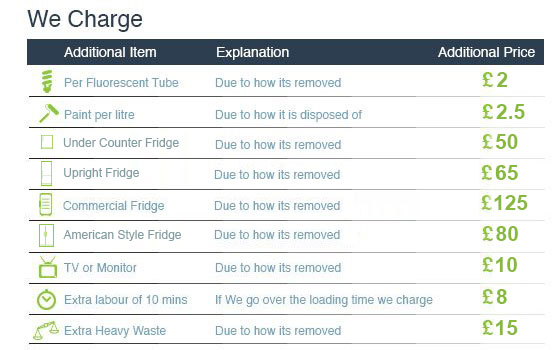
- fluorescent tubes and certain light fittings
- garden chemicals and pesticide containers
- oils, fuels, brake fluid, or workshop residues
- medical sharps or contaminated materials
- suspected asbestos or building materials from older properties
It also applies if you are mixing hazardous items into a wider clearance. A kitchen strip-out, a garage clean, or a builders' waste job may seem straightforward until someone finds a tin marked "flammable" at the bottom of a box. That happens more often than people think. If your project includes construction debris, take a look at builders waste clearance in Kingston as part of your planning.
Commercial readers should also pay attention. Offices often have forgotten toner cartridges, batteries, cleaning products, and old IT equipment. If you are clearing desks, storage rooms, or archive spaces, our office clearance Kingston page may help you think through the wider job.
Step-by-Step Guidance
Here is the simplest practical route to follow when dealing with hazardous waste in Kingston. Keep it calm and steady. No heroics.
- Pause and identify every questionable item. Look for labels, symbols, smells, leaks, damage, or anything that feels "off".
- Separate hazardous waste from general rubbish. Do this before bags are tied or boxes are sealed.
- Check the item type and the likely disposal route. Batteries and paint do not belong in the same mental bucket.
- Keep items upright and contained. Use the original packaging if it is safe to do so.
- Do not mix incompatible substances. Even small amounts of the wrong mixture can create a bigger issue.
- Decide whether the material needs specialist handling. If in doubt, treat it as specialist.
- Book a service that can separate streams properly. For mixed domestic waste, this often means pairing hazardous-item removal with a standard clearance route.
- Tell the collector exactly what you have. Hidden items cause delays and sometimes additional charges.
- Keep a quick record. A list or photo can help with your own records, especially for business premises.
One useful habit is to do a second sweep of the property after the "obvious" waste is removed. The oddest things show up then: a tube of sealant in a drawer, a battery in a coat pocket, a half-used can of treatment liquid behind the mower. Tiny things, but they add up.
If your waste problem is tied to moving out, clearing clutter before a sale, or preparing a property for viewings, you may find these local reads useful too: selling real estate in Kingston and navigating Kingston's real estate market. They are not about hazardous waste directly, but they often intersect in the real world.
Expert Tips for Better Results
After enough clear-outs, a few patterns become obvious. These are the small things that make a big difference.
- Use a "question mark" box. Put uncertain items in one clearly marked container until you can verify them.
- Leave labels intact. Do not peel off warnings or transfer contents unless you absolutely have to.
- Store away from heat. Sunlight through a conservatory window or a hot shed can make some materials more volatile than people expect.
- Separate sharp items immediately. Do not leave needles, broken glass, or blade-like items loose in a mixed bag.
- Plan the order of removal. Hazardous items should usually come out last, once the surrounding clutter is clear.
- Be honest about volume. "Just a few tubs" can become a load once you actually line them up.
Truth be told, many problems come from people trying to be efficient in the wrong way. The fastest way is not always the safest way. A tidy approach now is usually cheaper than a messy fix later.
If you are comparing broader service options, our pricing and quotes page can help you think through what affects cost, especially where special handling is involved.

Common Mistakes to Avoid
Hazardous waste mistakes tend to be predictable. That is the good news. The bad news is that people still make them all the time.
- Mixing hazardous and non-hazardous waste. This is one of the quickest ways to complicate a collection.
- Assuming empty containers are safe. Residue still matters.
- Using household bins for regulated items. It may seem convenient, but it is not a safe or compliant shortcut.
- Ignoring damaged packaging. Leaks, rust, cracks, and bulging containers need attention.
- Not telling the collector in advance. Surprise items can stall a removal or force a reschedule.
- Storing waste in unstable piles. A toppling stack of tins or chemicals is asking for trouble.
- Forgetting that some items are hidden. Batteries in toys, old gadgets, or toolboxes often slip through the net.
There is another common slip: people wait until the very end to check for hazardous materials. By then the bags are sealed, the van is nearly booked, and everybody is a bit tired. Not ideal. If access or timing is already tight, read what to do when access blocks waste removal in Kingston for practical planning ideas.
Tools, Resources and Recommendations
You do not need a complicated toolkit, but a few simple items make hazardous waste handling much easier.
- Sturdy gloves for handling rough containers and sharp edges
- Clear bags or lidded boxes for separation and visibility
- Permanent marker for temporary labels like "paint tins" or "batteries"
- Sticky tape to secure loose lids or wrap around damaged packaging where safe
- Phone camera for recording contents before handover
- Wheelie bin or crate space to hold separated streams safely before removal
For larger clearances, it helps to combine these basics with a proper service plan. Our junk removal Kingston and waste removal Kingston pages can give you a feel for how mixed waste is typically handled, while furniture disposal in Kingston is relevant when the non-hazardous part of the job includes bulky items alongside the risky bits.
If you are dealing with a garage or loft, the situation often gets more complicated because the contents have been packed away for years. Our garage clearance Kingston and loft clearance Kingston pages are good reference points for those mixed, slightly dusty, mildly chaotic jobs. You know the type.
Law, Compliance, Standards and Best Practice
For hazardous waste, compliance is less about memorising one exact number and more about following the correct process for the material in front of you. In UK practice, hazardous waste is generally treated differently from ordinary household waste because it may require segregation, safe containment, specialist transport, and proper transfer records. Businesses have a stronger formal duty to manage this carefully, but households still need to avoid putting dangerous items into mixed rubbish.
When people ask about "legal limits", they are often asking one of three things:
- Quantity limits: how much of a substance can be stored or moved safely before it needs a specialist route.
- Packaging limits: what condition the waste must be in before it can be handled.
- Classification limits: the point at which an item is treated as hazardous rather than general waste.
Those limits are material-specific, so a one-size-fits-all rule is usually too blunt. A small amount of one product may be acceptable for collection in a controlled way, while a similar-looking item may need a very different route. This is why careful description matters so much. If you are not sure, do not guess. Guessing is a lovely way to create problems.
Best practice is to:
- keep hazardous items separate from other rubbish
- retain original packaging where safe
- avoid mixing chemicals or residues
- use a provider that can explain how they handle segregated waste
- document what was removed, especially for commercial premises
For readers who want to understand how a responsible provider approaches waste handling more broadly, our about us page and modern slavery statement show the kind of standards that support safer, more accountable operations.
Options, Methods, or Comparison Table
There is more than one way to deal with hazardous waste, and the right method depends on what you have, how much of it there is, and how quickly it needs to go. Here is a simple comparison.
| Method | Best for | Pros | Limitations |
|---|---|---|---|
| Separate household sorting | Small amounts of batteries, paint, aerosols, and similar items | Cheap, controlled, easy to organise | Needs time and careful identification |
| Mixed waste plus segregation | Clear-outs with some hazardous items and plenty of ordinary rubbish | Efficient for house, loft, garage, or office jobs | Requires clear communication and correct sorting |
| Specialist handling only | Suspected asbestos, large chemical volumes, or high-risk materials | Safest route for sensitive loads | Usually slower and more tightly controlled |
| Bulk clearance with pre-check | Property moves, refurbishments, and deceased-estate clearances | Good for staged jobs with a lot of variation | Needs careful planning before collection day |
In practice, many people use a hybrid approach. They sort the obvious hazards first, then book the remaining non-hazardous material for standard removal. That is often the most efficient route, especially if you are also trying to keep a move or renovation on schedule.
Case Study or Real-World Example
Imagine a small Kingston flat being cleared before a move. The main job looks simple: a few chairs, some paper clutter, an old microwave, and a cupboard full of cleaning products. Then you open the utility shelf and find three half-used paint tins, a box of loose batteries, and a cracked bottle of varnish. Classic.
The sensible approach is not to shove everything into the same bags and hope for the best. Instead, the batteries are isolated, the paint tins are checked for leakage, and the varnish bottle is kept upright in a sealed container. The furniture and general rubbish are removed through a standard route, while the hazardous items are kept separate for the appropriate handling method.
The difference is usually one of organisation, not drama. The flat still gets cleared. The move still happens. But the risk of contamination drops sharply, and the disposal route becomes far more defensible if anyone later asks questions. A tiny bit of structure saved a lot of faffing. That is the honest truth.
In a house move or probate-style clear-out, this becomes even more helpful. If there are time pressures, it may be useful to combine a domestic clearance with a planned house clearance Kingston approach and then separate out regulated items before collection. A slower start often means a smoother finish.
Practical Checklist
Use this checklist before any hazardous waste leaves your property.
- Have I identified every potentially hazardous item?
- Are the items separated from general rubbish?
- Are containers sealed, upright, and undamaged where possible?
- Are labels readable and original packaging retained?
- Have I avoided mixing different chemicals or residues?
- Do I know which items need specialist handling?
- Have I told the collector about the hazardous items in advance?
- Is the storage location safe from heat, children, pets, and knocks?
- Have I kept a note or photo record of what is being removed?
- Is the rest of the clearance planned so the hazardous items come out in a sensible order?
If you can tick all of those off, you are in a much stronger position. It does not have to be perfect, just careful and sensible.
Get a free quote today and see how much you can save.
Conclusion
Hazardous waste disposal in Kingston is not something to overcomplicate, but it is definitely something to respect. The main lesson is straightforward: identify risky items early, keep them separate, and use the correct route for the material rather than forcing everything into a single pile. That is where the legal limits matter most. Not as a scary concept, but as a practical line that keeps people safe and clear-outs manageable.
If you are handling a mixed property clearance, the best results usually come from a calm, staged approach: sort first, remove second, and document what you can. Done properly, it saves time, reduces stress, and avoids the awkward "we can't take that" moment on the driveway. Nobody enjoys that conversation, least of all at 8:15 on a rainy morning.
And if the job feels a bit larger than expected, that is normal. A lot of hazardous waste situations start with one small box and end with a much broader clear-out. Take it one step at a time, stay cautious, and you will get through it.


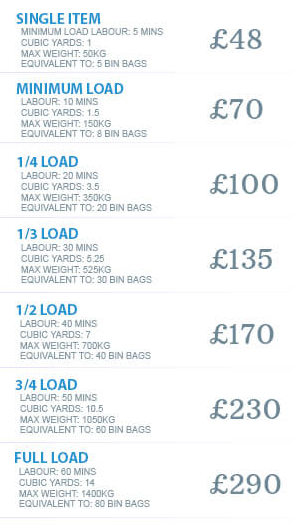
 Tipper Van - Rubbish Removal and Waste Disposal Prices in Kingston KT1
 Luton Van - Rubbish Removal and Waste Disposal Prices in Kingston KT1