Flat clearance Surbiton Road Kingston step by step
Posted on 15/05/2026
Flat clearance Surbiton Road Kingston step by step: a practical local guide
If you're planning a flat clearance on Surbiton Road in Kingston, you probably want the same three things: less stress, fewer surprises, and a clear idea of what happens next. Fair enough. Whether you're dealing with a tenancy ending, a probate property, a move, or just years of clutter that has quietly multiplied in the spare room, Flat clearance Surbiton Road Kingston step by step is really about turning a messy job into a manageable process.
Done well, flat clearance is not just "take everything away." It's sorting, deciding, lifting, loading, recycling, checking access, protecting the property, and making sure nothing important gets lost in the shuffle. In a place like Surbiton Road, where access, parking, shared entrances and neighbours can all matter, a bit of planning goes a long way. This guide walks through the process in plain English, with practical advice you can actually use.

Why Flat clearance Surbiton Road Kingston step by step Matters
A flat clearance sounds straightforward until you're standing in front of a full property with a clock ticking. Then the practical issues show up fast: What stays? What goes? How do you protect floors in a narrow hallway? Where does the furniture actually fit on the way out? And if you're on a road like Surbiton Road, where parking can be tight and access may be shared, the "simple job" can turn awkward very quickly.
That's why a step-by-step approach matters. It helps you avoid rushed decisions, prevents accidental disposal of useful items, and reduces damage to communal areas. It also gives you a clearer plan for items that can be reused, donated, recycled, or removed as general rubbish. To be fair, most clearance problems are not caused by the lifting itself. They start with poor sorting and poor timing.
There's another reason this matters in Kingston: flats often involve multiple people with different priorities. One person wants everything gone today. Another wants to keep documents, keys, photos, or a few sentimental items. A good process creates calm where there might otherwise be friction. That alone is worth something.
If you are also comparing clearance options and service styles, it can help to first review a broad services overview so you know what type of help fits your situation.
How Flat clearance Surbiton Road Kingston step by step Works
At a practical level, flat clearance usually follows a clear sequence. You assess the property, identify what needs to stay or go, decide how much help you need, and then schedule a removal. On the day, items are sorted, carried out safely, and then loaded for reuse, recycling, or disposal depending on condition and type.
The process often looks different depending on the flat size and contents. A one-bedroom flat with a few bulky items is very different from a long-occupied property full of mixed household goods, old furniture, loft bits, and small bits of electronics. Sometimes it's a quick lift-and-load. Other times it is a careful room-by-room sort. The nice thing is: once the structure is in place, the whole job feels much less overwhelming.
For many Kingston residents, flat clearance overlaps with other needs too. A move-out may include furniture disposal, a tenancy clean-up, or even a broader rubbish clearance. If you want the larger picture, a local page such as rubbish clearance in Kingston can help you understand how the service landscape fits together.
And yes, there is usually some heavy lifting. That part is obvious. What people often forget is the invisible work: planning access, protecting common spaces, and choosing the right disposal route for each item. That's where the efficiency comes from.
Key Benefits and Practical Advantages
A proper flat clearance gives you more than an empty property. It gives you control. It gives you speed. It reduces the risk of missed items and last-minute panic. And if you're handing over a flat, selling a property, or preparing for renovation, that extra clarity can make the next stage easier.
- Less stress: You are not trying to clear everything in one frantic session.
- Better sorting: Reusable, recyclable, and waste items are separated more sensibly.
- Safer handling: Heavy or awkward items are moved with fewer risks.
- Cleaner handover: A cleared flat is easier to inspect, clean, or market.
- More efficient use of time: Especially useful if your move-out date is fixed.
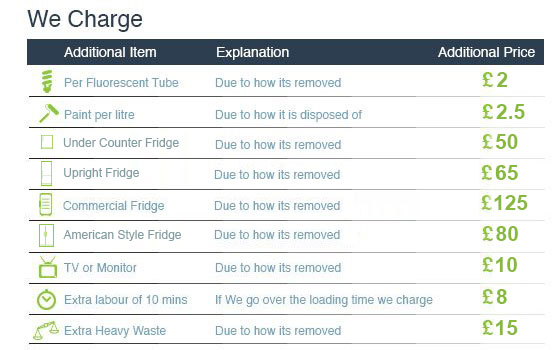
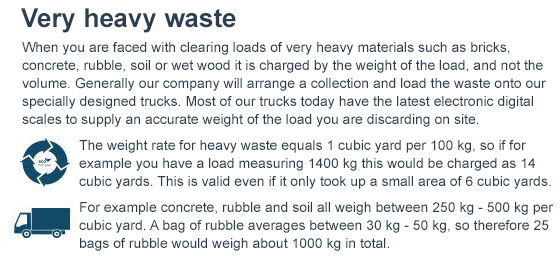
There's also a financial angle, though it's not always talked about. The better you prepare, the less likely you are to pay for unnecessary labour or repeated visits. A clear list, grouped items, and easy access can make a real difference. If you want to compare service options and understand what affects the quote, the pricing and quotes page is a sensible place to start.
One practical bonus: a well-run clearance can uncover things you'd forgotten you even owned. Sometimes that is delightful. Sometimes not. There's always at least one drawer that turns up with six cables, two pens and a mystery key, apparently from nowhere.
Who This Is For and When It Makes Sense
Flat clearance in Surbiton Road Kingston makes sense for a lot of different situations, not just major moves. In fact, some of the most common jobs are the less dramatic ones. A small flat that has become cluttered over years. A landlord needing a swift turnover. A relative helping with probate. A seller trying to present a property neatly. A tenant wanting to leave the place tidy and on time. All of these are real, normal reasons.
It also makes sense if you have bulky items you cannot reasonably move yourself: wardrobes, sofas, mattresses, filing cabinets, broken white goods, or a mix of oddments that would take many trips to carry away. If you've ever looked at a staircase and thought, "That sofa is not going anywhere without a plan," you're already thinking like a clearance organiser.
For homeowners or landlords preparing a property for the market, it can be helpful to read related local guidance such as selling real estate in Kingston and navigating Kingston's property market. They won't replace a clearance plan, of course, but they do show how presentation and timing often work together.
And if the flat has broader household contents, not just a few items, a dedicated house clearance service in Kingston may be a better fit than a simple one-off collection.
Step-by-Step Guidance
Here's the practical part. A step-by-step flat clearance should feel methodical, not chaotic. You do not need to overcomplicate it. But you do need a plan.
Step 1: Walk through the flat and decide what stays
Start with a room-by-room check. Open cupboards. Look under beds. Check the top shelf in the wardrobe. This is the stage where you separate items into clear groups: keep, remove, donate, recycle, or dispose of. If you rush this stage, you'll almost certainly waste time later. Truth be told, most clearance mistakes start here.
Use sticky notes, coloured bags, or simple written labels. Old-fashioned? Maybe. Effective? Very.
Step 2: Identify fragile, personal, and important items
Before anything gets carried out, isolate documents, keys, jewellery, photos, bank papers, medication, and sentimental pieces. Put them in one clearly marked box and remove that box from the clearance area. If there are several people involved, agree who has final say over disputed items. That avoids the awkward "I thought you were keeping that" moment, which nobody enjoys.
Step 3: Check access, parking, and building rules
On Surbiton Road, access planning matters more than people expect. Check stairways, lift availability, parking restrictions, entry codes, and any building rules about moving furniture through communal spaces. If your flat is in a block, warn neighbours if large items will be moved at busy times. A short bit of courtesy can save a lot of irritation later.
Step 4: Separate bulky items from mixed waste
Bulky furniture, bagged rubbish, electricals, and mixed household contents are not always handled in the same way. Keep them grouped if possible. It speeds up loading and makes sorting more efficient. If there are old sofas, mattresses, or broken furniture, it may be sensible to look at a more specific service such as furniture disposal in Kingston.
Step 5: Decide what can be recycled or reused
Not everything needs to go straight to disposal. Good-condition items might be suitable for reuse, and some materials can be separated for recycling. This is where a responsible clearance service adds value. A conscientious approach reduces waste and feels better, frankly. If sustainability matters to you, the page on recycling and sustainability is worth a look.
Step 6: Book the clearance at a realistic time
Choose a slot that gives you enough breathing room. If you're moving out, don't leave the clearance to the final hour on the final day. A small buffer is useful. It leaves room for surprises such as extra items, access delays, or that one cupboard you forgot about. Morning appointments can be easier in busy residential areas, though that depends on the building and access.
Step 7: Make sure the property is ready on the day
On the day of clearance, clear access routes, protect any items that are staying, and make sure the team can get in and out without delays. If there are lift bookings, parking arrangements, or keys to hand over, have them ready. Little things, but they matter.
Step 8: Do a final check before the last item leaves
Before the final load goes out, walk through the flat one more time. Check cupboards, drawers, high shelves, airing cupboards, under sinks, and behind doors. This is the moment when forgotten items tend to reveal themselves. A final sweep takes five minutes and can save a much longer headache later.
Expert Tips for Better Results
Small choices make a big difference in flat clearance. The best results usually come from simple discipline rather than dramatic effort.
- Label everything early. Even basic labels save time and reduce mistakes.
- Measure awkward items. If a wardrobe or sofa is too large for the stairwell, know that before moving day.
- Keep a "do not remove" zone. It stops important items from being swept into the wrong pile.
- Group similar materials. Cardboard with cardboard, textiles with textiles, and so on.
- Be realistic about timing. A small flat can still take longer than expected if it is full of mixed contents.
One tip people often overlook: if you are clearing a flat after a long occupancy, allow for emotional pauses. It sounds obvious, but it isn't always treated that way. A bag of old letters or a cupboard full of family things can slow the day down. That's normal. Leave a bit of space for it.
If you want a general sense of how a trusted local team works, it can help to read about us and insurance and safety. Those pages are useful for understanding the practical standards behind the service, not just the job title.
Common Mistakes to Avoid
The biggest flat clearance mistakes are rarely dramatic. They're usually small and cumulative.
- Leaving sorting until the last day. This leads to rushed decisions and mistakes.
- Forgetting access issues. A narrow stairwell or no parking space can slow everything down.
- Mixing keep and remove items. This is how things go missing.
- Not checking the full property. Cupboards, loft spaces, balconies, and under-bed storage get forgotten all the time.
- Assuming all waste is handled the same way. Furniture, electricals, mixed rubbish, and green waste often need different handling.
- Booking too late. A tight deadline can turn a manageable clearance into a stressful one.
There's also a subtle mistake: underestimating the emotional side. A flat clearance is often practical, yes, but it can also be personal. A calmer process usually produces better decisions. A bit less rush. A bit more clarity. It helps.
Tools, Resources and Recommendations
You do not need a mountain of equipment for a flat clearance, but the right basics help a lot. Here's a sensible kit for a property on Surbiton Road or anywhere similar in Kingston:
- strong bin bags or rubble sacks
- marker pens and labels
- packaging tape
- protective gloves
- dust sheets or old blankets for floor protection
- box for valuables and paperwork
- torch for cupboards, loft hatches, and darker corners
- basic measuring tape for awkward furniture
In terms of planning resources, a service page like junk removal in Kingston can be useful if the flat contains mixed, non-bulky clutter, while skip hire in Kingston may suit projects where waste is being filled over time rather than removed in one go. For scheduled, one-off collections, rubbish collection in Kingston is often the simpler route.
If you are unsure which service is most sensible, that is usually a sign you need a quick conversation before booking. The wrong method is what makes a job expensive. Not the job itself.
Law, Compliance, Standards, or Best Practice
For flat clearance, the key compliance concern is waste handling. In the UK, waste should be taken and handled responsibly, and households should be careful about who removes their rubbish. In practical terms, that means choosing a provider that understands proper sorting, disposal, and recycling expectations. You do not want your old sofa turning up in the wrong place later. Nobody does.
Best practice also includes insurance, safe lifting, and care for shared spaces. In blocks of flats, communal hallways, stairwells, lifts, and entrance routes should be treated carefully. Floors may need protection. Walls may need extra attention. A sensible team will plan around that instead of treating it as an afterthought.
For items that contain personal information, it is wise to remove or secure papers before disposal. That is just sensible housekeeping, especially in a move or probate situation. For more detail on how a local provider frames safe working and responsible handling, payment and security and the earlier-mentioned insurance and safety pages can help build trust before you book.
If anything about access, waste type, or item condition is unclear, say so early. Good practice is honest practice. Simple as that.
Options, Methods, or Comparison Table
There is more than one way to clear a flat. The right option depends on time, volume, access, and how hands-on you want to be.
| Method | Best for | Pros | Things to consider |
|---|---|---|---|
| Self-clearance | Small loads, plenty of time, easy access | Full control, can be low-cost if you already have transport | Time-consuming, heavy lifting, several trips likely |
| Skip hire | Ongoing clear-outs or renovation waste | Good for steady loading, useful for DIY projects | Space needed outside, permit and access considerations |
| One-off rubbish collection | Fast removal of mixed household waste | Convenient, quicker turnaround, less effort on your side | Best when you already know what is going |
| Full flat clearance service | Large volumes, urgent handovers, probate, end-of-tenancy | Most efficient, less physical work, easier planning | Requires clear instructions and decent access details |
For many people, the sweet spot is a full clearance service when the flat is genuinely full. It is simply less draining. For lighter jobs, a collection or furniture-specific removal may be enough. If you're only dealing with a few large items, the dedicated garage clearance or loft clearance pages can also give you a better feel for specialised item removal.
Case Study or Real-World Example
Here's a realistic example. A couple in Kingston needed to clear a two-bedroom flat on Surbiton Road before handing it back to a landlord. The property had standard furniture, some kitchen items, a few broken chairs, and a lot of bagged household clutter that had built up over several years. Nothing dramatic. Just enough to make the place feel bigger than it was.
They began with a quick sort: keep, remove, and unsure. The "unsure" box was important. That was where they placed documents, spare keys, and a few personal items to revisit later. They also checked the access route in advance and moved a parked car so the exit would be easier. A small detail, but it saved time on the day.
The clearance itself ran more smoothly because the property was already prepared. Furniture was grouped in one room. Recyclable items were set aside. Fragile things had been separated. The final walkthrough took only a few minutes, and the flat was left ready for cleaning. Nothing theatrical. Just a tidy, sensible process that did the job.
That is usually how the best clearances go. Not flashy. Just organised.
Practical Checklist
Use this as a quick pre-clearance check before the team arrives or before you begin on your own:
- Have you decided what is staying and what is leaving?
- Have you removed valuables, documents, keys, and sentimental items?
- Are access details, parking, and building instructions confirmed?
- Have you separated furniture, electricals, and general waste where possible?
- Is the route through the flat clear of obstructions?
- Have you protected floors or fragile surfaces if needed?
- Do you know whether any items need special handling?
- Have you allowed enough time for a final walk-through?
- Do all people involved agree on the disposal plan?
- Have you chosen the most suitable clearance method for the job size?
If you can tick most of those off, you are already ahead of the curve. And if not, that's fine too. Better to pause and organise than charge ahead and regret it later.
Get a free quote today and see how much you can save.
Conclusion
A well-planned flat clearance on Surbiton Road in Kingston does not need to feel overwhelming. Once you break it into steps, the job becomes much more manageable: sort carefully, protect what matters, plan access, choose the right removal method, and leave time for a proper final check. That is the heart of it.
Whether you are clearing a small flat, preparing a property for sale, handling an end-of-tenancy handover, or helping a family member through a bigger life change, the same rule applies: a calm process produces better results. Less stress. Fewer mistakes. A cleaner finish.
If you need help with the next step, reach out when you are ready. Sometimes the hardest part is simply getting started, and once you do, the rest tends to fall into place.
For direct help, you can also use the contact page to discuss your flat clearance needs in Kingston.



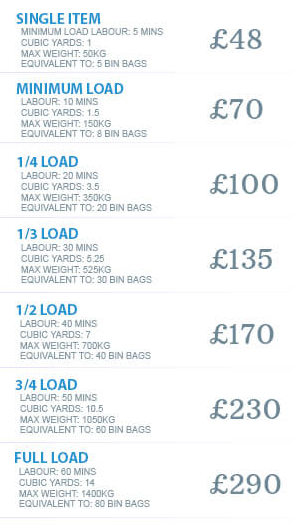
 Tipper Van - Rubbish Removal and Waste Disposal Prices in Kingston KT1
 Luton Van - Rubbish Removal and Waste Disposal Prices in Kingston KT1